
Sewing supplies
Sewing supplies for seamstresses, fashion designers, tailors, students and sewing schools: scissors, pins, needles and needle threaders, rulers for pattern making, fabric adhesives, ironing hams on a wooden stand and folding ironing boards. The supplies are divided into subcategories by stage of work, from cutting and pinning to pressing the finished garment. Retail and wholesale sales to studios and schools, self-pickup in Tel Aviv and delivery anywhere in Israel.
Products: 182





Sewing supplies by stage of work
A properly sewn garment goes through several recurring stages: drafting and cutting, pinning and fitting, sewing, and then pressing. At every stage a small mistake adds up. Dull scissors pull the fabric and cut a crooked line, a thick pin leaves a hole in delicate fabric, a needle of the wrong size skips stitches, and a curved seam pressed on a flat surface loses its shape. That is why the sewing supplies on our site are divided into subcategories according to these stages.
What's in our sewing supplies
Scissors: tailor's shears and fabric scissors 20 to 30 cm long, German-made Solingen scissors by D.PERES and Kretzer, embroidery scissors and small scissors 9 to 11.5 cm long, thread snips, pinking shears, and light multi-purpose scissors for pattern paper and cardboard.
Pins: pearl-head and jewel-head pins on a wheel and in a storage box, Prym straight steel sewing pins in sizes 34×0.60 and 26×0.65 mm, and safety pins 19 to 57 mm long.
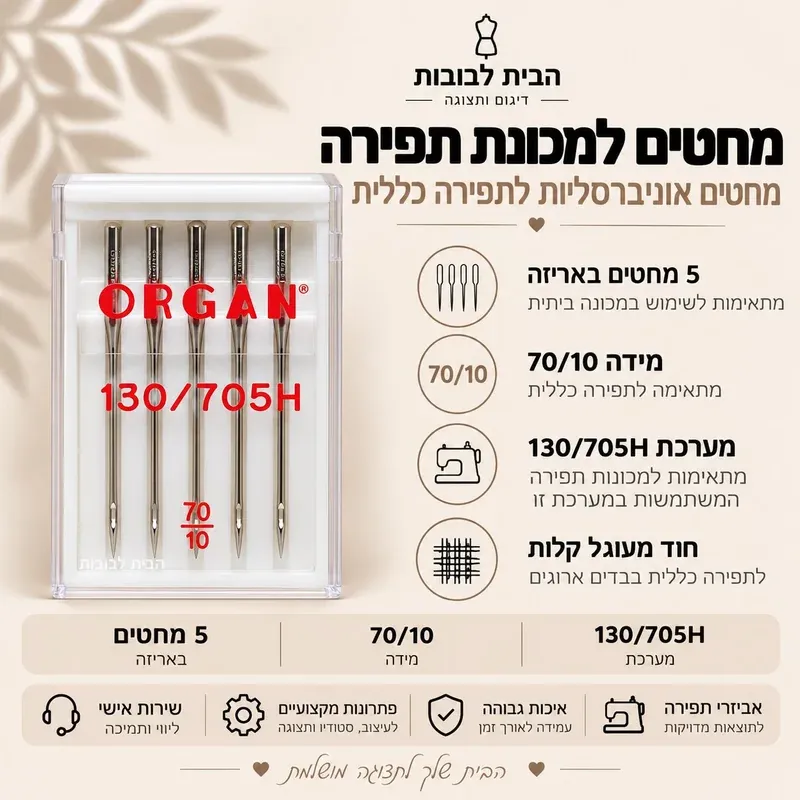
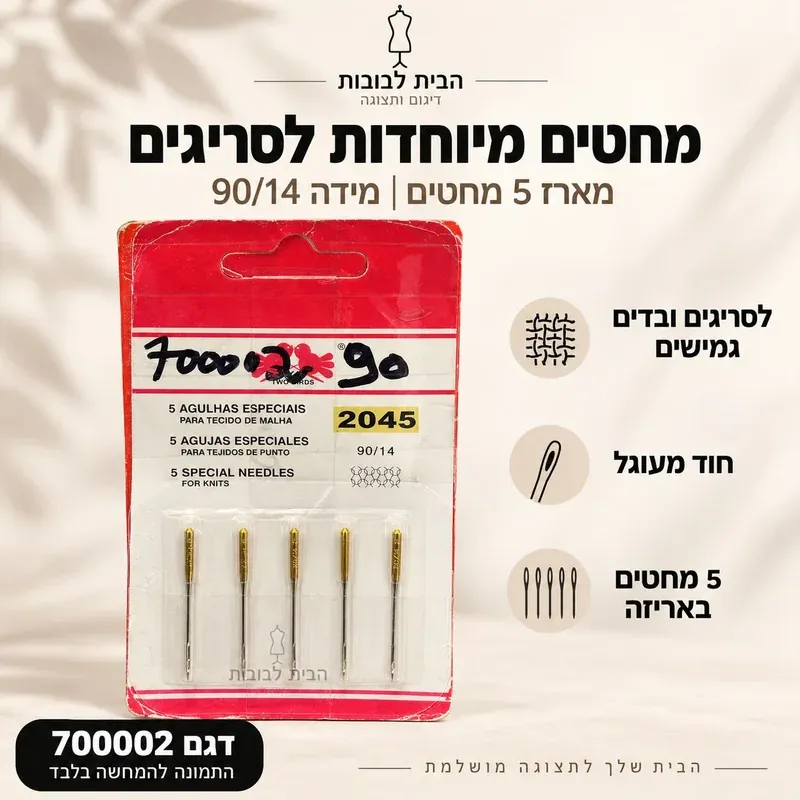
Needles: needles for home sewing machines in the 130/705H system in sizes 60/8 to 100/16, including ballpoint needles for knit fabrics, hand-sewing needles, BOHIN crewel embroidery needles, upholstery needles and Prym needle threaders.
Rulers: L-shaped metal square rulers, 61 cm curve rulers, a triangle ruler for pattern making, a French curve, clear cutting rulers for sewing and quilting, a straight metal ruler and a T-shirt print placement ruler.
Adhesives: Gütermann HT2 textile glue, washable up to 40°C, iron-on fusing powder, E6000 glue, Shoe Goo for shoes, permanent, temporary and thread spray adhesives, tesa adhesive tape and a hot glue gun.
Ironing hams: hams on a wooden stand for sleeves, sleeve caps, darts and collar points, from a 19 cm solid wood point presser up to a 56 cm sleeve board. This category also includes folding ironing boards 90, 110 and 120 cm long, with a cotton cover and an iron rest.
Sewing accessories: a single view that gathers the small work-table accessories from all subcategories, from pins and needles to adhesives and ironing hams, for anyone putting together a kit who wants to see everything in one place.
How to choose professional sewing supplies
Separate scissors for fabric and paper
Tailor's shears are for fabric only, because paper and cardboard dull the blade. Keep a separate pair of multi-purpose scissors for pattern paper, and thread snips or small scissors for trimming threads by the machine. That way each pair stays sharp for its own job.
Pins by use
Pearl-head pins are convenient for working on a dress form and for marking points during fitting, because the large head is easy to see and pull out. Thin straight steel pins, such as Prym hardened steel pins in size 34×0.60 mm, are suited to pinning a pattern to fabric and to sewing along the seam allowance. Safety pins are used for tagging, threading elastic and holding layers together.
Glue or stitching
Textile glue and iron-on fusing powder are suited to repairs, patches and quick hems, and temporary spray adhesive holds fabric on the cutting table without pins. For joins that take stretch and stress, such as side and crotch seams, stitching is better.
Needles by fabric and machine
The machine needles in this category are designed for home machines in the 130/705H system. Choose the size by fabric thickness: low sizes for fine fabrics and size 100/16 for denim and canvas. For knit fabrics, use a ballpoint needle.
Rulers for pattern making
Square ruler: for perpendicular lines, corners, straightening the fabric edge and drafting a basic block.
Curve ruler: for the hip line, side seam, hem and sleeves.
French curve: for armholes, necklines, sleeve caps and collars.
Clear cutting ruler: for cutting strips and squares with a rotary cutter, with 30, 45 and 60 degree angle lines.
Pressing: board and hams
The ironing board is for flat surfaces, and the hams are for parts that must not be flattened. A mushroom ham suits darts, sleeve caps and shoulders, a sleeve board takes a whole sleeve without a crease line, and a wooden point presser with a tapered tip is for pressing seams open in collar points and lapels before turning.
Professional tips for working with a dress form
Adjust the dress form to the measurements: before pinning fabric, measure bust, waist and hips and adjust the dress form, or choose one in the right size. A full explanation is in our guide to choosing a dress form.
Pin at an angle: a pin inserted into the dress form diagonally holds the fabric better and does not pull out when you move it.
Press as you sew: press every seam before sewing another seam that crosses it. That way the garment is built straight from the start.
Press curves on curves: press darts and princess seams on an ironing ham, not on the flat board.
Who these supplies are for
Seamstresses and tailors who do fittings and alterations for clients.
Fashion designers and studios building patterns and new garments on dress forms.
Fashion and sewing students putting together their first work kit.
Sewing schools and workshops equipping an entire class.
Wholesale for studios, schools and workshops
HaBayit LaBubot also operates as a wholesaler, supplying sewing equipment in quantity to sewing and fashion schools, workshops, studios and stores. You can put together a uniform kit for every workstation, including dress forms. For a quantity quote: phone 03-9444226 or WhatsApp 055-2473993.
Delivery and pickup
You can order online and pick up free of charge from Kfar Giladi 15 or HaMashbir 17 in Tel Aviv, or get delivery anywhere in Israel. Details on delivery times and returns are on the Shipping & Returns page.
Related guide: Sewing supplies for beginners: what you really need and what can wait
Frequently asked questions
What basic sewing equipment do you need to start sewing?
A basic kit includes tailor's shears used only for fabric and a separate pair of scissors for paper, sewing pins, machine needles in mixed sizes and hand needles, and a straight ruler or an L-square. Anyone who drafts patterns and fits garments will also benefit from a curve ruler, a pressing ham and a dress form.
Why do you need a pressing ham if you have an ironing board?
A flat ironing board also flattens what should stay rounded. A pressing ham on a wooden stand lets you press darts, sleeve caps, shoulders and collar points without losing the sewn shape. A long sleeve ham lets you press a whole sleeve without a crease line.
Which ironing board is suitable for a sewing corner?
A small folding ironing board, 90 cm long, suits a sewing corner, patchwork and children's clothes. A 110 cm board is compact for small rooms and a home sewing room, and a 120 cm board offers a longer surface for the home and the sewing room. All models come with a cotton cover and an iron rest.
Will the needles fit my sewing machine?
The machine needles in this category are designed for domestic sewing machines using the 130/705H system, also marked HAx1. Before buying, check your machine's manual to see which needle system it needs. If in doubt, you can contact us by phone or WhatsApp.
Can I order sewing supplies in bulk for a studio or sewing school?
Yes. HaBayit LaBubot also operates as a wholesaler and supplies sewing equipment and dress forms in quantity to sewing and fashion schools, workshops, studios and shops, including identical kits for every workstation. You can get a quote by quantity by phone at 03-9444226 or on WhatsApp.
Why do you need separate scissors for fabric and paper?
Cutting paper dulls the blades quickly. Fabric shears that cut only fabric stay sharp for a long time and cut a clean line without pulling or fraying the fabric edge. Keep a separate pair of multipurpose scissors for pattern paper and cardboard.
Why press while sewing?
Press every seam before sewing another seam across it. That way the seams lie flat, the corners are crisp and the finished garment looks professional. Curved seams and darts are pressed on a pressing ham, not on the flat board.
Which rulers do you need to draft a pattern?
Pattern drafting uses an L-square for perpendicular lines and corners, a hip curve ruler for the hip line, side seam and hem, and a French curve for the armhole, neckline and sleeve cap. A triangular pattern-drafting ruler combines several curves in one tool. A dress form helps you check the pattern on a body.
What equipment does a sewing studio need?
Besides the sewing machine and a cutting table, a studio needs a dress form, tailor's shears and small scissors, an ironing board and pressing hams, pattern-drafting rulers, pins, needles and a needle threader, and textile glue for repairs. In a studio where several people work, it's worth equipping each workstation with an identical kit.
How do you take care of sewing tools?
Store scissors dry and where the blades won't get damaged, keep pins and needles in a closed box, and wipe rulers clean of dust and adhesive residue. Replace any pin or needle that has bent or whose point has gone dull, because it damages the fabric fibers.